Prenatal Development and Care and Early Childhood Experiences
Prenatal development and care, and early childhood experiences can have a lasting impact on adolescent social and emotional development.

Prenatal Development
When a mother experiences high-stress situations, the baby may become more sensitive to potential threats and become more likely to develop anxiety (von Hinke et al., 2022). When a pregnant woman is experiencing bouts of anxiety and stress, they need to get guidance and help from their medical professionals, not just to help them, but to help their child as well.
If a child has anxiety, it can make it harder for them to make friends, develop secure, meaningful attachments, and develop a higher need for dependency than their peers.

Early Childhood Experiences
Children who are exposed to negative environmental stressors can have a harder time in classroom settings and building friendships with their peers. For example, if a child is bullied at home physically or mentally, that behavior can carry over into the classroom. If someone close to the child calls them negative names such as "dumb" or "stupid kid", those words hold weight. If a child hears it enough, they may start to believe it. Your child's inner voice is built from the voices they hear the most. Its important to understand that our children are always listening, even when we don't want them to. Therefore, any time we talk to or about our children, we must do so with respect and kindness. If a child hears someone they care about call them stupid, dumb, or useless, they may start calling others that as well. This can make others less likely to interact with the abused child, and they may have a hard time trusting other adults and peers, therefore never forming secure, healthy attachments to people.
Impact on Social-Emotional Development
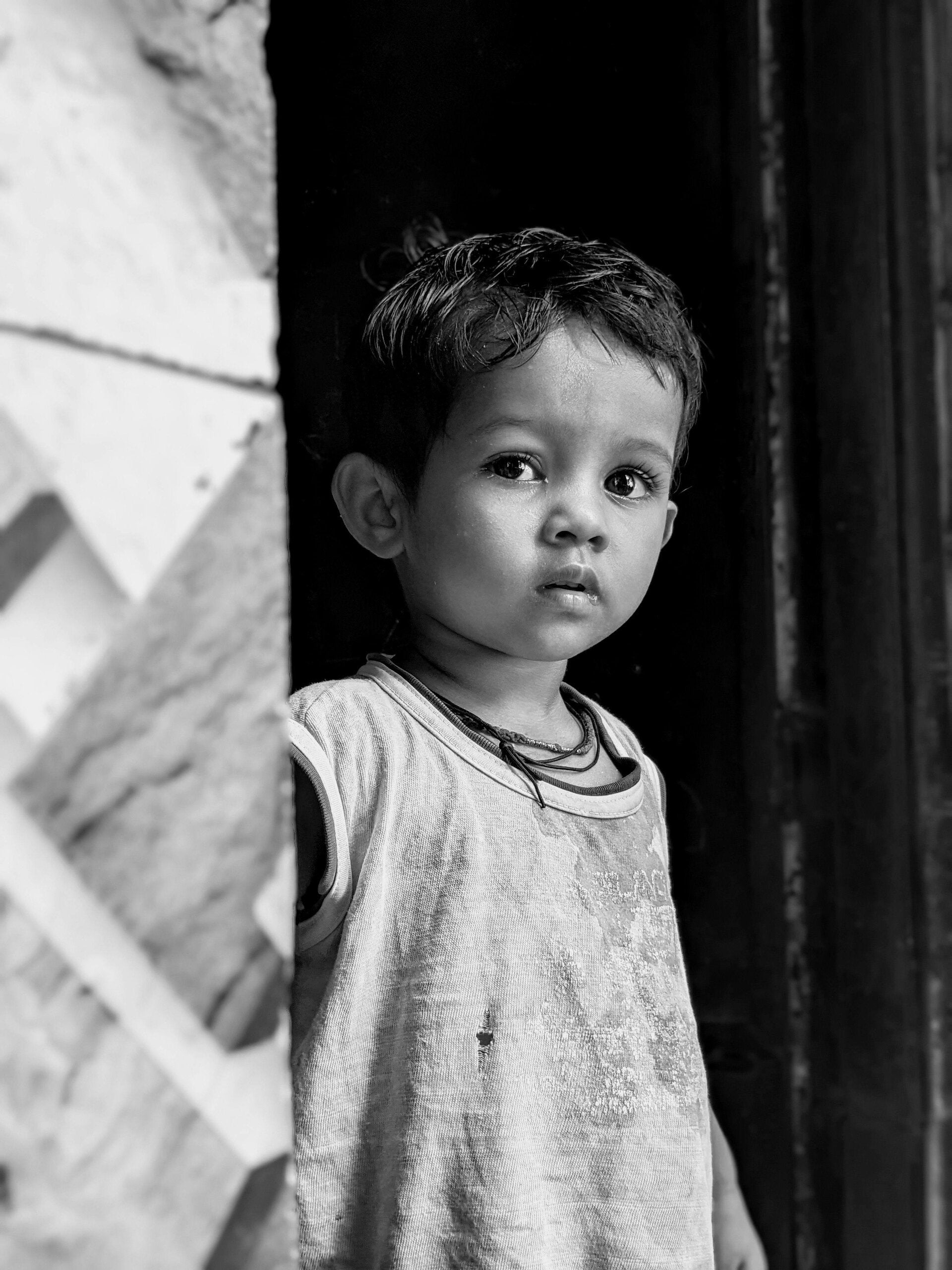
When children and infants are exposed to unnecessary stress or negative experiences, it can greatly impact their social-emotional development. This includes how they see themselves, how they see others, how they react to their environment, and build relationships of their own choosing. Children may struggle with social-emotional skills and be less likely to self-soothe and build meaningful friendships with their peers.
Create Your Own Website With Webador