Home-Based Strategies
There are many ways that parents and caregivers can support social-emotional learning for young children at home.

Infant Strategies
Comfort on Demand: When children are feeling a big feeling, it's important to make sure their needs are met and that they have access to a comfortable space to calm down (Sterling Honig & Wittmer, 2025). This is true for infants as well, as the only way they communicate with us is by crying. You can never spoil an infant, and they sometimes need that comfort. The best place for most babies to feel loved and comforted is in a warm, loving embrace from those they love and feel safe with.
Serve and Return: Even infants love interacting with their environment, and this includes you! Allow for opportunities for serve and return interactions. Make sounds with your baby; if they coo, then coo back; mimic actions; if they smile, then smile back at them, and encourage call-and-response play.
Toddlerhood
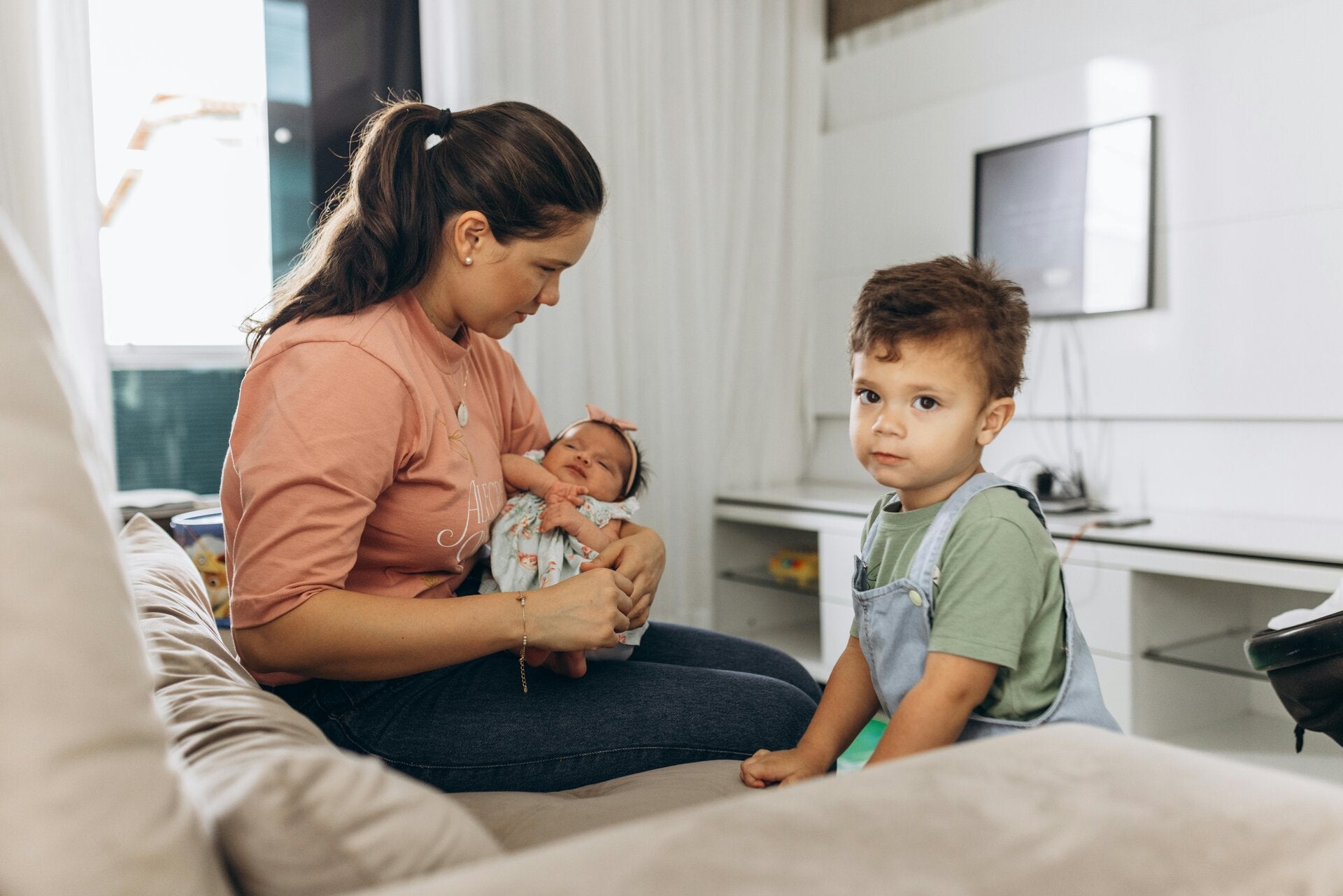
Sibling Regression: Many toddlers who get a younger sibling show regression. This can be due to feeling jealous of a new baby in the family. Being jealous of a new baby is totally normal, and its ok to allow a toddler to express this through slight regressive habits. Some children may want to drink from a bottle again or talk like a baby even if they know some words. Know that it's not forever, and don't punish them for this regressive behavior; it's how they tell you what they are feeling (Sterling Honig & Wittmer, 2025).
Narrate and Model: Children are always watching you. If you are getting upset and its visable its ok to narrate your feelings: "I'm so mad that the dishwasher broke!" It helps children know that we experience big feelings as well. The next step would be to model how we calm down. "It's ok the dishwasher can be fixed. I should take a deep breath and calm down."

Early Childhood
Turn-Taking Games: For children who are 5 and above, many board games are available to play at home. Games like Chutes and Ladders and High Ho Cherrio teach children how to take turns, follow established rules, and learn what to do when someone else wins. Playing games weekly can help your child become familiar with navigating these social challenges.
Calm Down Spaces: Sometimes children need a space where they can retreat to so they can regulate their emotions. Allowing a space in your house that is easily accessible and is available when they need a space to calm down can be very beneficial. Once children use it a few times, they may go there and seek out the spot on their own when they are experiencing challenging emotions. Spaces could include a soft area with books or sensory toys to help promote the development of self-regulation skills.
Create Your Own Website With Webador