Classroom Strategies
Social-emotional learning strategies or activities for infancy, toddlerhood, and early childhood that teachers can implement in the classroom.
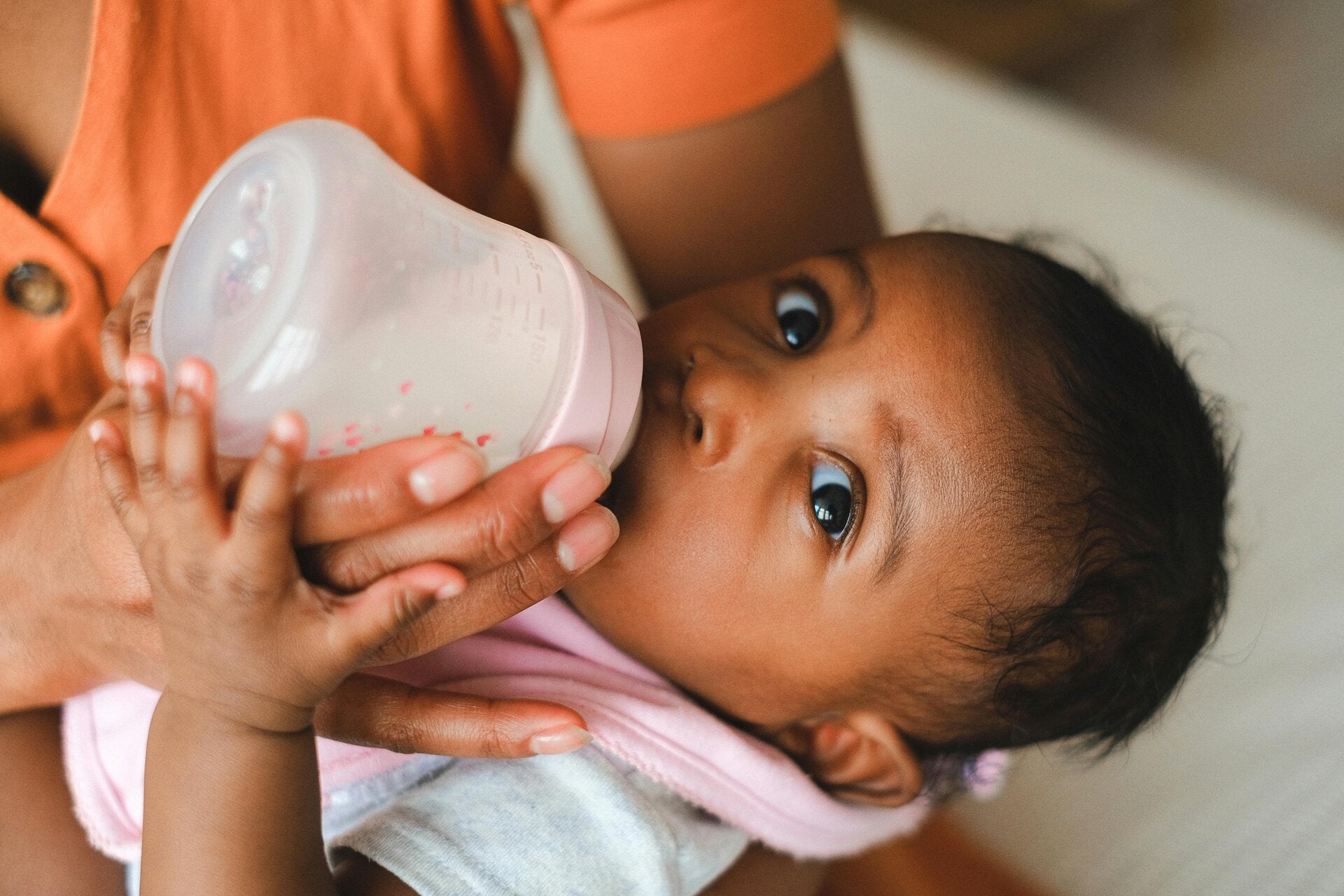
Infancy
Naming Emotions: Many children are just starting to learn about themselves, and that includes feeling new things, like sudden emotions. Even as an infant, there is a benefit in giving an emotion a name. For example, if you notice a child is crying and is due for a bottle, you can say, "You must be so hungry! I will go get your bottle!" Over time, this will cause familiarity with the word for an emotion and an understanding that the need will be met (Sterling Honig & Wittmer, 2025).
Greet with a Smile: Infants can develop a strong sense of security to help them show more social competence. Teachers can help establish meaningful secure attachments by greeting children warmly and with a smile, talking to them in a calm, slow voice, and ensuring all their needs are met when in your care (Sterling Honig & Wittmer, 2025).
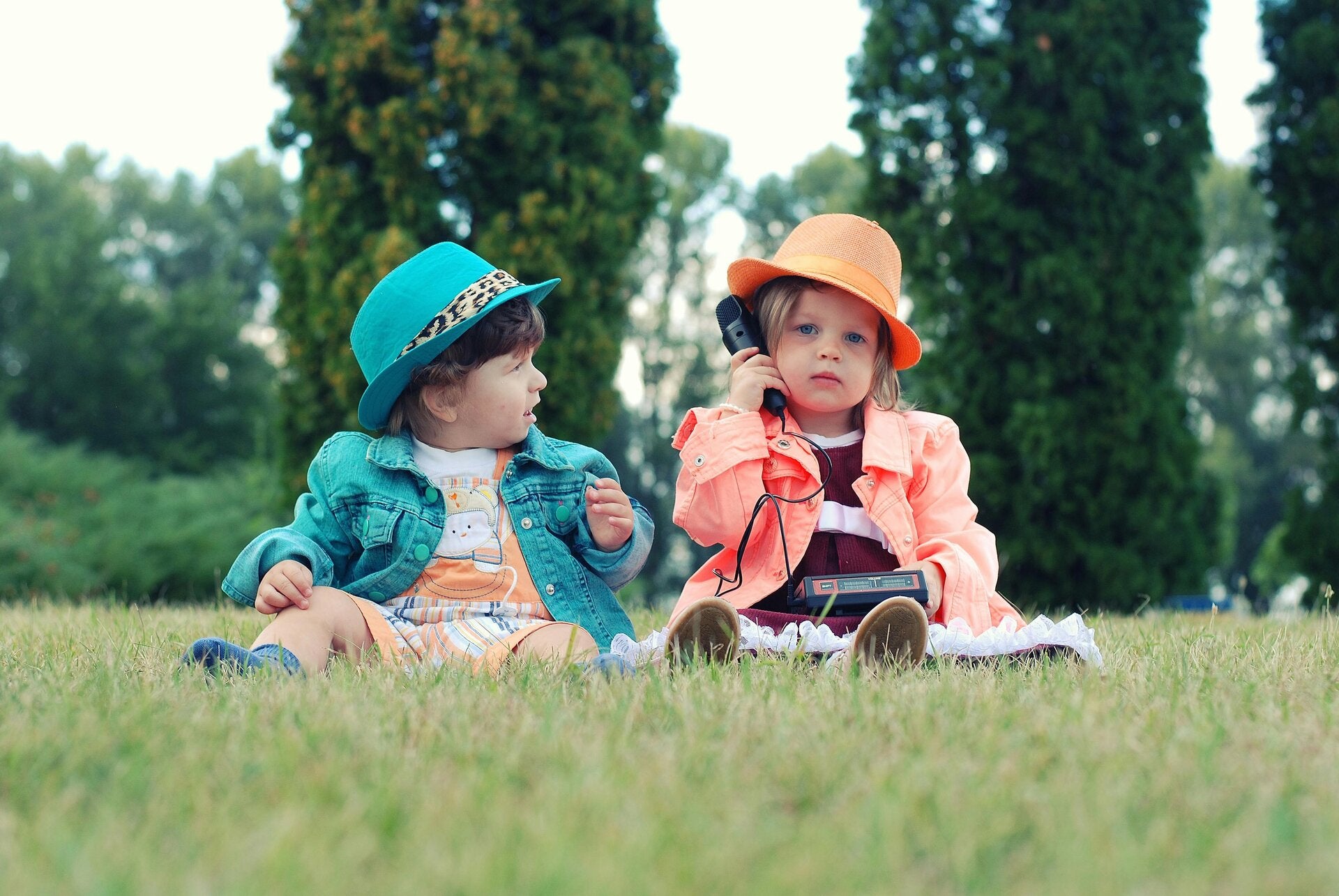
Toddlerhood
Many of the strategies that were discussed for infant learners also apply to toddlers. Once secure attachments are established, you can further build on their skills with strategies more tailored to their age.
Notice peer interactions: Toddlers will often start to play near others. Play for toddlers in the classroom setting may look different to those who are older. It might involve more toy taking, or just playing near the child. Always acknowledge the peer interactions they make on their own and start praising the social interactions, while fostering positive interactions. "I see that you want to play with Sally's toy. Why don't we find another toy like Sally's so you guys can play together!" (Sterling Honig & Wittmer, 2025)
Story time: Read books during group time that talk about how to be kind, safe, and friendly to others. Books can often help explain things to children better than simply talking to them, thanks to the visuals and storytelling structure (Sterling Honig & Wittmer, 2025).

Early Childhood
Modeling and coaching: As children grow up, the desire to be social and interact with others may grow as well. For children in preschool and kindergarten, many children may benefit from having a model for how to interact with others. As a teacher, you may need to step in to show younger children how to play with others, or take on a coaching role and verbally encourage children to play in a respectful way with one another.
Morning check-ins: Checking in with your students on how they are feeling during a group time or one-on-one as they come into the classroom can help them share what they are feeling. Helping recognize children's emotions and validating them makes it easier for children to express their feelings to caregivers and peers.
Create Your Own Website With Webador